
 ←The Falcanna Journal
From Medical Marijuana to Falcanna: A Washington State Legacy Story
Washington Said Yes in 1998. Nobody Told Them How.
In November 1998, Washington State voters approved Initiative 692 with nearly 59% of the vote. Medical marijuana was now legal in the state. Patients with qualifying conditions could use it with a doctor's authorization and be protected under state law.
The problem was there were no stores. No supply chain. No one told medical patients where to actually go to get what they were now legally allowed to have.
So a network filled that gap. Growers. Collectives. Delivery services. People operating under the state's 69.51A RCW statute, quietly, carefully, serving patients who had nowhere else to turn.
Bethany and Justin Rondeaux were two of those people. Before Falcanna existed, before the I-502 licensing world, before any of the infrastructure you see in Washington's cannabis industry today, they were growing on the Olympic Peninsula and delivering medicine to patients who needed it.
This is that story.
A D.A.R.E. Kid, a Cluster Migraine, and a Plant That Actually Worked
Bethany grew up in Oklahoma. Entrepreneurial parents. Working full time in one of their businesses at fifteen. A self described D.A.R.E. kid who had zero experience with cannabis until she met Justin.
Then came college. Then came Oregon. Then came the migraines.
In 2009 the couple moved to Oregon for school and Bethany started experiencing cluster migraines. A year of conventional treatment went by. Nothing helped.
Cannabis did.
"It genuinely helped. And once you experience that relief, once you feel the difference, you have no desire to go back to the Big Pharma route."
— Bethany Rondeaux, Co-Founder, Falcanna
Once that door opened it became a real investigation. Which strains worked? Was Indica leaning or Sativa leaning bud more helpful? How do you actually grow this to a standard you trust with your own body?
Justin came at it from a different angle. Growing for Bethany he discovered he genuinely loved cannabis. Everything about it. Where she came to the plant from necessity he came from curiosity. Both roads led to the same place.
They wanted to grow it properly. At a standard they would be happy to recommend their cannabis to a cancer patient and what they would be willing to consume themselves.
Learning From People, Not the Internet
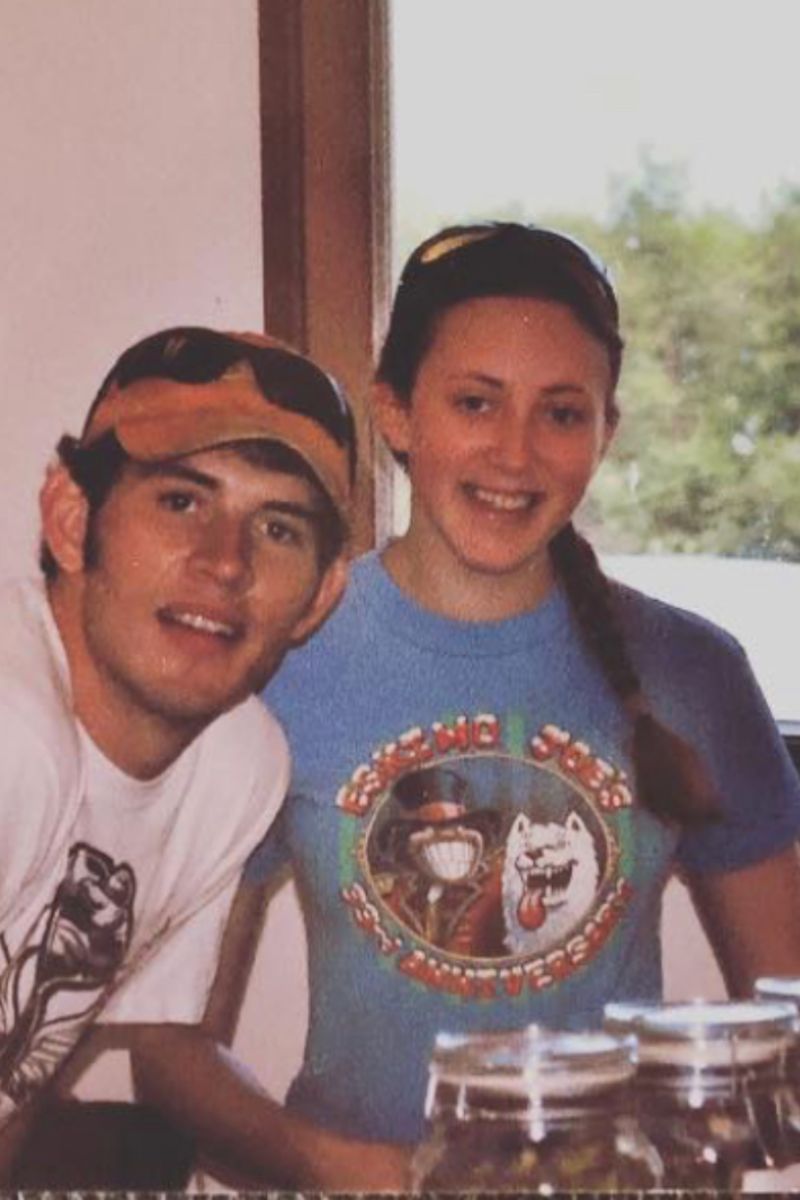
There wasn’t much guidance online in 2009. The couple spent years building personal connections with breeders and growers, sourcing elite genetics, and learning organic cultivation from people who had been doing it quietly for decades.
Justin is a member of the Cow Creek Band of Umpqua Indians. He grew up on the Olympic Peninsula, descended from Pacific Northwest pioneers. The land was not just a growing location. It was heritage. And that relationship with the land shaped everything about how they would eventually grow, long before Falcanna had a name.
Olympic Sinsemilla and the Patients Nobody Talks About
In November 2012 Bethany and Justin opened Olympic Sinsemilla, a 69.51A RCW compliant medical cannabis delivery service for patients on the Olympic Peninsula.
Word spread the way it spreads in small communities. Through doctors. Through other patients. Through people who knew people.
Cancer patients. People with chronic pain. Veterans. People for whom the medical system had either stopped working or started causing its own damage.
"There was a real need in the community. We were growing medicine and the people who found us were appreciative of our desire to consistently grow the specific strain they found worked for them."
— Justin Rondeaux, Co-Founder, Falcanna
That distinction shaped everything. They shaped their entire growing practices on providing the cleanest, healthiest cannabis possible. Pesticide free growing was not a talking point. It was a requirement. If a patient with a compromised immune system is consuming what you grew, you do not get to be careless about what was used on the plants.
The Patient Who Still Comes Back
There is a specific kind of story that comes up when you ask Bethany and Justin about their patients.
Pacific Blue, Falcanna's flagship strain, built its following in the medical days. When recreational dispensaries started carrying it years later, some of those original patients showed up at retail counters looking for the same flower.
If it was not on the shelf they did not buy something else.
"They just said they would come back when it was. Because for them, another strain wasn’t going to work for their medical condition."
— Bethany Rondeaux, Co-Founder, Falcanna
I actually experienced this myself. I went into a dispensary specifically for Pacific Blue. It was not there. I walked out. Because I knew what it did for my pain and my sleep and I would check the next retail store down the road before getting something else.
Medical patients didn’t disappear after cannabis became recreational in Washington state. Medical patients were just pushed into the recreational market.
When I-502 Changed the Rules
Initiative 502 passed in November 2012. Washington and Colorado became the first two states in the country to legalize recreational cannabis on the same night. The first retail stores opened in July 2014. And in 2015 the Cannabis Patient Protection Act merged the medical and recreational systems under the Washington State Liquor and Cannabis Board.
That consolidation ended the legal framework that had allowed medical dispensaries to operate. Patients who had been receiving their medicine directly from the people who grew it for them now had to go through licensed retail.
The relationship was over, at least in its original form.
"It was a sad day, as there were promises made that both the recreational retailers and medical dispensaries would co-exist. It was part of the pitch to pass the bill, that promise was broken a year after the recreational retail stores opened up. The state wanted everyone buying from the recreational system."
— Justin Rondeaux, Co-Founder, Falcanna
Bethany and Justin secured their I-502 Producer/Processor license as they saw the writing on the wall. Falcanna launched in 2014 as the new home for the same genetics, the same standards, and the same growers. Just in a completely different regulatory world. Retail relationships instead of patient relationships. Packaging compliance. Large corporate competition. High taxes.
"It felt like swimming with sharks" Bethany said when I asked how that transition felt.
Does the Medical Cannabis Community Get Any Credit?
Honest question. Did the growers, collectives, and delivery services that operated under Washington's medical marijuana framework get any credit for building what became one of the most regulated cannabis markets in the country?
Based on how Bethany and Justin tell it, the answer is complicated. The 2015 licensing transition was largely a fresh start. New licenses. New regulations. New retail infrastructure. The knowledge carried over. The genetics did. Some relationships did. But the institutional recognition? Mostly absent.
"We were there from the beginning. A lot of people were. And the industry that exists now was built on what we figured out back then."
— Bethany Rondeaux, Co-Founder, Falcanna
Legacy operator is the term the industry now uses for pre-legalization growers. In Washington, as in California and other early medical states, the path from caregiver to licensed producer was rarely smooth and usually came at real cost.
What Falcanna Is Actually Fighting For
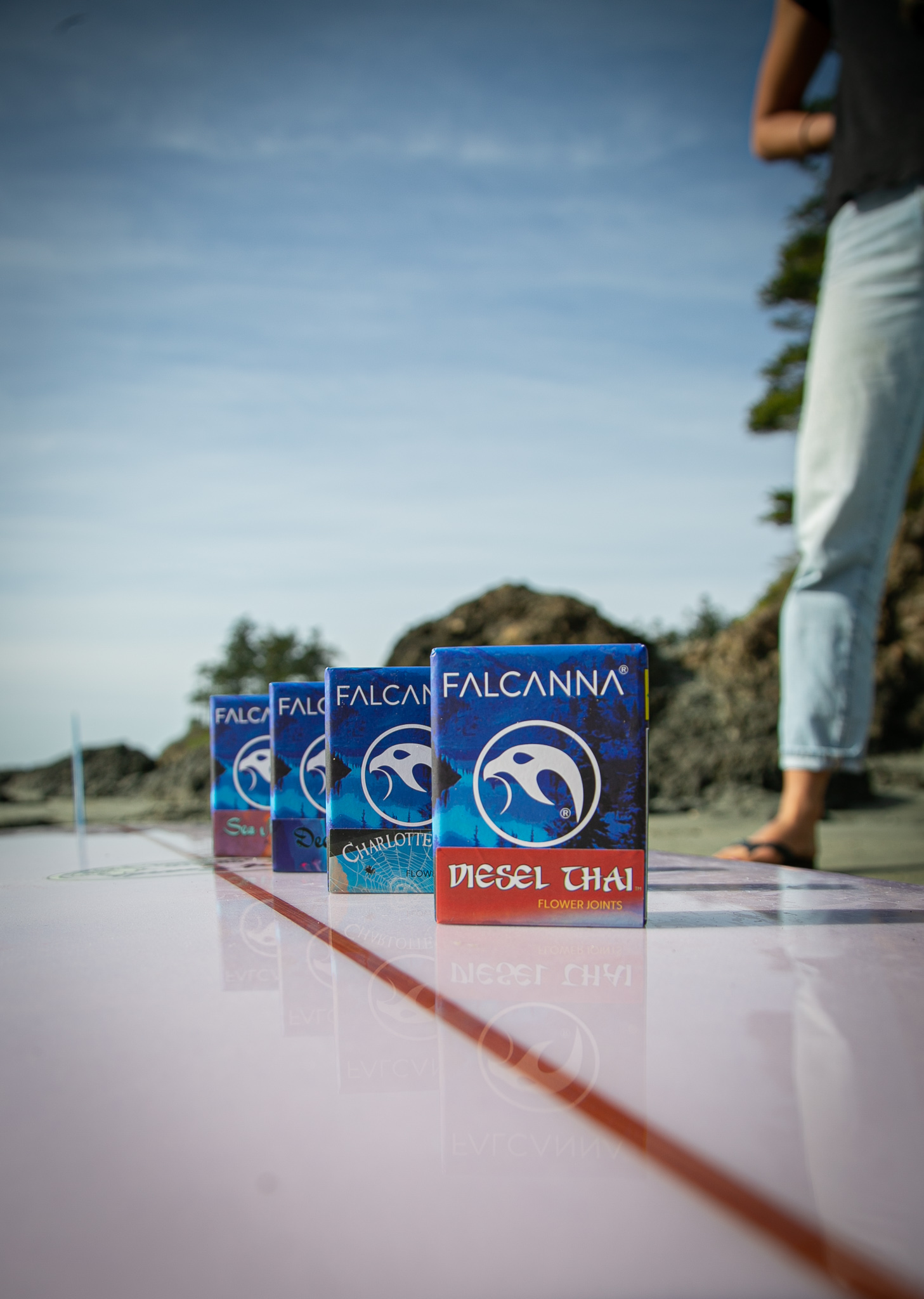
Bethany and Justin have consistently pushed back against the consolidation pressure reshaping the legal cannabis industry. The policy environments that favor massive operators. The licensing structures that make it hard for small independent businesses to compete. The market dynamics that squeeze out the people who built the foundation.
"We advocate for the small and medium operators because we are one. And because this industry will not represent what it should if the legacy people who started it are cut out of it."
— Justin Rondeaux, Co-Founder, Falcanna
Justin brings a particular frame to that advocacy. One rooted in land, in community, in long term thinking that does not prioritize quantity over quality. You see it in the falcon conservation and rehabilitation program. In the Clean Green Certified growing practices. In the biodegradable packaging. Falcanna is 100% minority owned. 50% woman owned. 50% Native American owned. All of it connects.
What They Would Tell Themselves Now
I asked both of them what they would go back and say to themselves, knowing everything that would come. The investors. The industry politics. The years of building something from a closet to a full sized grow on the Olympic Peninsula.
Both paused in the way people do when the answer is actually not simple.
"Stay consistent. That is it. The people who remembered us from the medical days found us again. Because we did not change what we were growing or how we were growing it."
— Bethany Rondeaux, Co-Founder, Falcanna
Consistency in Falcanna's case is not passive. It is an active choice made in an industry that has applied constant pressure to compromise. On inputs. On pricing. On growing the latest strain. On the relationship between growers and the people consuming what they grow.
They have held that line for over a decade. The medical era did not teach them everything. But it taught them the most important thing.
Grow what you would put in your own body, for the person who needs it most.
The Legacy Is Still Growing
Washington's medical marijuana era was legally precarious and largely unrecognized by the industry that followed it. But the people who operated within it built something real. Knowledge. Genetics. Standards. Relationships that outlasted the legal framework that made them possible.
Falcanna is one of the clearest examples of that legacy still operating. The flower that patients sought out for pain and sleep and wellbeing is still being grown on the same Peninsula, by the same people, to the same standard.
If you walk into a Washington State retail store and find Dutch Haze or Pacific Blue on the shelf, you are looking at a strain that started in the legacy medical days. It was true medicine for so many patients and over a decade later, it still is.
Find Falcanna at licensed dispensaries across Washington State and Oklahoma.